My Garage
Add your vehicle information to find the exact parts and accessories that fit.
 |
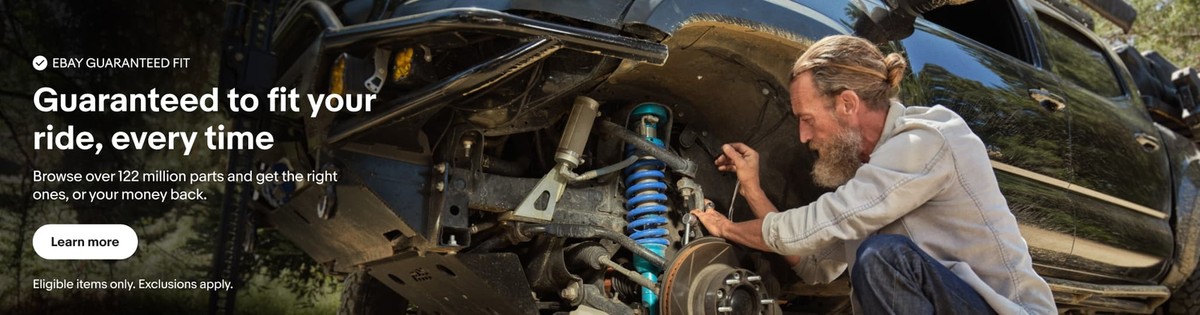


eBay Motors is where you will find new and used vehicles as well as parts for fixing, updating, or maintaining your existing vehicle. eBay Motors is easy to navigate by vehicle type, category of items, sales and events, or brand and type of car, motorcycle, pickup, or SUV.
What is My Garage?
My Garage has everything you need to find the right parts, accessories, and deals tailored to your specific vehicle. You just provide the year, make, model, trim, and engine, and My Garage filters your search results so that you find only the most suitable parts. You can add multiple vehicles to My Garage and switch between vehicles quickly and easily. You can also view Daily Deals as well as inventory that's Hot This Week, all from one convenient dashboard. With these features it's easy to purchase the exact parts you need.
How do you search for specific automotive parts or accessories?
There are several ways to search for specific items or accessories for your car online. One way is to look for Daily Deals, which you'll find in the menu on the left-hand side of this page. Look for OEM or aftermarket items based on your car's requirements or your personal preferences. You could also search based on your vehicle profile if you have created one.
How do you search for specific vehicles?
From the eBay Motors homepage, you can use the provided search fields to locate vehicles by make, model, year, and even type. eBay has a wide assortment of both new and used cars, trucks, motorcycles, and specialty vehicles like buses, RVs, ATVs, and personal watercraft. You can then refine your search using the options on the left-hand side of your search results page.
What are the categories of parts for cars and pickups?
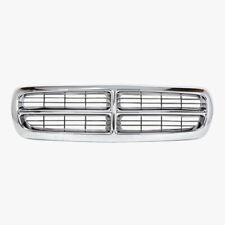
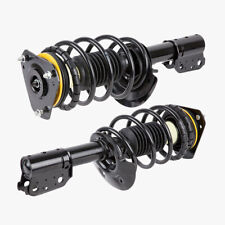
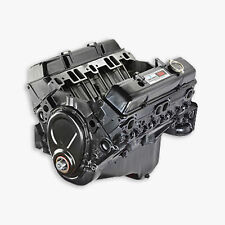
In order to more easily find the parts you need, you can shop by category. Find such categories as "All Parts and Accessories," "Cars and Trucks," and "Automotive Tools and Supplies" along the left-hand side of your screen. Dive deeper into specific categories like:
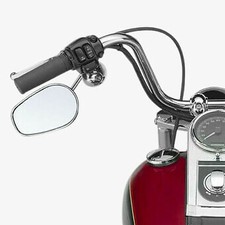
This inventory isn't limited to just cars and pickups. You can also find similar categories for other types of vehicles including motorcycles, ATVs, boats, commercial trucks, and more.
If you're not exactly sure what kind of vehicle, part, or accessory you're looking for, narrow down the solutions by shopping by brand. You'll find items from every automaker in the automotive industry, from Chevrolet and Nissan to Porsche and Lexus.